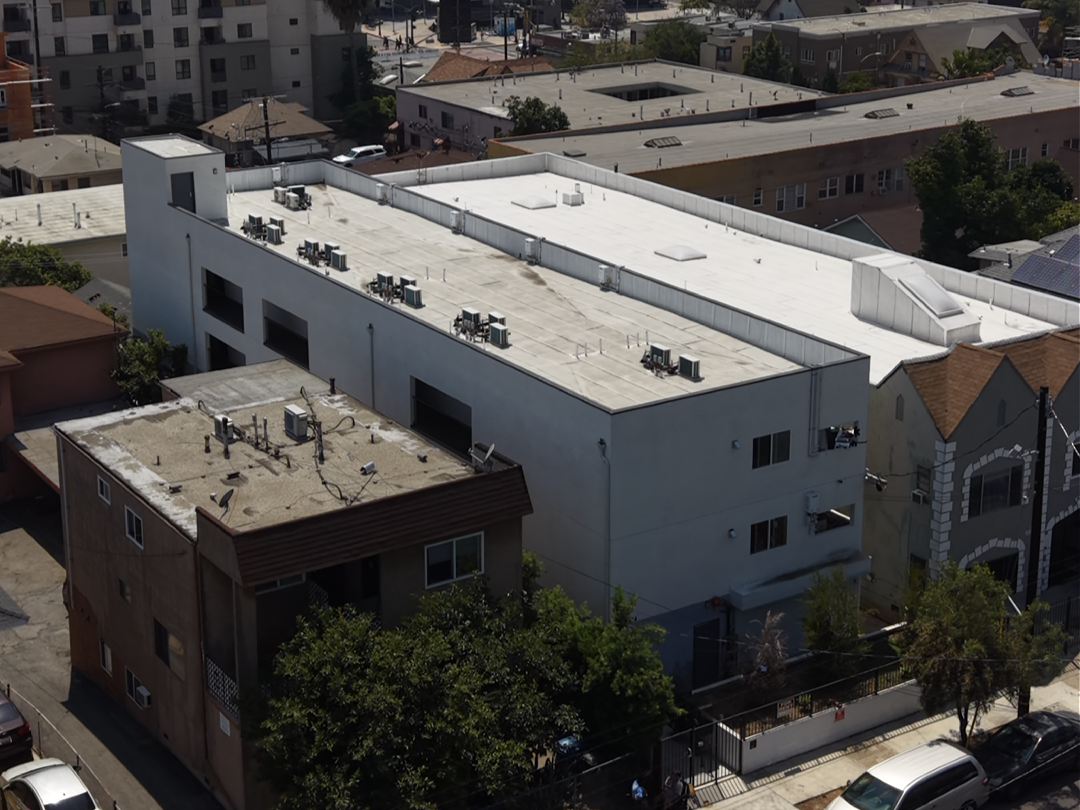
Signing a commercial lease in Los Angeles is the easy part. Turning a raw or dated space into one your business can actually operate in is where things get complicated, and that work is called a tenant improvement, or TI. Whether you are opening a restaurant, fitting out an office, or converting a retail space, the right tenant improvement contractor in Los Angeles can be the difference between opening on schedule and losing months in plan check.
This guide explains what a TI involves, when you need a permit, the approvals that trip businesses up, and how to budget for the work before you sign.
What counts as a tenant improvement?
A tenant improvement is any modification to a commercial space to fit a specific tenant: moving or adding walls, updating electrical, plumbing, HVAC, or life-safety systems, building restrooms or a kitchen, and installing finishes. Purely cosmetic work like paint and carpet usually does not require a permit. The moment you touch walls, systems, or the layout, you are into permitted work.
Do you need a permit?
Most commercial TI work in Los Angeles requires permits from the Los Angeles Department of Building and Safety (LADBS). The scope decides how the permit is reviewed:
Simple interior TI with no structural changes and no change of use often moves through a faster counter or over-the-counter plan check, commonly in a few weeks.
Structural work, a new occupancy, or complex projects go through standard plan check, which typically takes several weeks or more.
This is for the City of Los Angeles. If your space is in another city or in unincorporated Los Angeles County, the review is handled by that jurisdiction’s building department on its own timeline, so confirm the process for your exact address.
Change of occupancy and the certificate of occupancy
This is the single most common thing that surprises business owners. If your project changes the occupancy classification of the space, for example turning retail into a restaurant or an office into a gym, you generally need a change of use approval and a new certificate of occupancy before you can open.
A change of occupancy usually brings in additional review: City Planning may need to sign off, parking is re-examined, accessibility and path-of-travel upgrades come into play, and the Los Angeles Fire Department may review exits and fire-protection systems. These added reviews commonly extend the permitting timeline by several weeks to a few months. Even when the occupancy classification does not change, LADBS may still require a final sign-off confirming the build-out matches the approved plans.
The practical lesson: find out early whether your project is a change of occupancy, because it reshapes both your timeline and your budget.
Accessibility and energy code
Two sets of California requirements catch tenants off guard, especially on a change of occupancy or a larger alteration:
Accessibility. California accessibility rules can require path-of-travel upgrades (entrances, restrooms, parking, routes) that go beyond the space you are renovating, and California standards are often stricter than the federal baseline.
Title 24 energy standards. The 2025 energy code, in effect January 1, 2026, sets requirements for lighting, HVAC, and related systems on commercial alterations.
Neither is optional, and both belong in the budget from the start rather than as a mid-project surprise.
Tenant improvement allowances and your lease
Landlords often contribute to the build-out through a tenant improvement allowance, a set amount per square foot toward customizing the space. Allowances vary widely by space type and market, and as a rule they rarely cover the full cost of a real build-out, so plan to fund the difference.
A few things worth knowing before you sign:
The allowance is a negotiating point. A larger allowance can come with higher rent or a longer term.
The gap between the allowance and the actual construction cost is on you, so you want that number before the lease is final.
Getting a contractor to price the build-out during lease negotiation, not after, is the best protection against signing up for a space that is far more expensive to open than it looks.
What commercial TI costs in Los Angeles
Commercial build-out cost depends heavily on the type of space, because a kitchen or a medical suite carries far more systems than an open office. Treat these as planning ranges from current Los Angeles market data, not a quote:
Office: roughly $75 to $250 per square foot.
Retail: roughly $100 to $250 per square foot.
Medical or dental: roughly $150 to $350 per square foot.
Restaurant: roughly $200 to $500 per square foot.
Warehouse or industrial: roughly $50 to $120 per square foot.
On top of hard construction, budget for soft costs like design, engineering, and permits, plus a contingency for the conditions no one can see until walls are opened. The only reliable number comes from pricing your specific space and scope.
Choosing a tenant improvement contractor in Los Angeles
Commercial TI is not the same as residential remodeling, and the wrong fit shows up as delays and failed inspections. When you vet a tenant improvement contractor in Los Angeles, look for:
A properly licensed general contractor. In California, a Class B general building contractor license covers most commercial building work.
A documented track record with LADBS plan check and inspections, so your approvals do not stall.
Real experience with your space type. Restaurants and medical offices bring extra agency reviews that a contractor should already understand.
The ability to coordinate design, permitting, and the certificate of occupancy, and to work within a schedule when every month of build-out is a month of rent before revenue.
Being led by a former LA Construction Inspector means we plan commercial projects around what the city will actually require, which is what keeps a build-out on schedule.
Common mistakes to avoid
Signing a lease before pricing the build-out or confirming whether it is a change of occupancy.
Underestimating accessibility and Title 24 upgrades.
Assuming cosmetic-looking work is permit-free when it involves electrical, plumbing, or HVAC.
Hiring a residential remodeler for a commercial space.
Forgetting that a new certificate of occupancy may be required before you can legally open.
Frequently Asked Questions
Do I need a permit for commercial tenant improvements in Los Angeles? Most TI work that involves walls, electrical, plumbing, HVAC, or structural changes requires an LADBS permit. Cosmetic work like paint and flooring usually does not. Confirm scope with the department or your contractor.
How long does a tenant improvement permit take in Los Angeles? A simple interior TI with no change of use can clear a counter plan check in a few weeks. Structural work, complex projects, or a change of occupancy requiring Planning and Fire review commonly add several weeks to a few months.
What is a tenant improvement allowance? It is money a landlord contributes toward customizing a commercial space for a tenant, usually expressed per square foot. It often does not cover the full build-out cost, and it is negotiable as part of the lease.
Do I need a new certificate of occupancy for my build-out? If your project changes the occupancy classification, or the space was previously unoccupied or had its certificate revoked, you generally need a new certificate of occupancy before opening. Your contractor can confirm based on your use and space.
Can my contractor pull the TI permits for me? Yes. A licensed contractor can pull tenant improvement permits on behalf of the property owner or tenant and manage the process through final inspection.
Open on schedule, not in plan check
A commercial build-out in Los Angeles lives or dies on planning. The projects that open on time are the ones where the change-of-occupancy question is answered up front, accessibility and energy requirements are budgeted from the start, and the contractor knows how to move a permit through LADBS.
We have been building in Los Angeles since 1989, with both residential and commercial experience and a team led by a former LA Construction Inspector. If you are planning a tenant improvement or weighing a space, reach out at (213) 948-5297 or request a free estimate, and we will help you understand what it will take to get your doors open.