The Biggest Construction Trend in Southern California Isn't ADUs, It's Fire-Resilient Homes
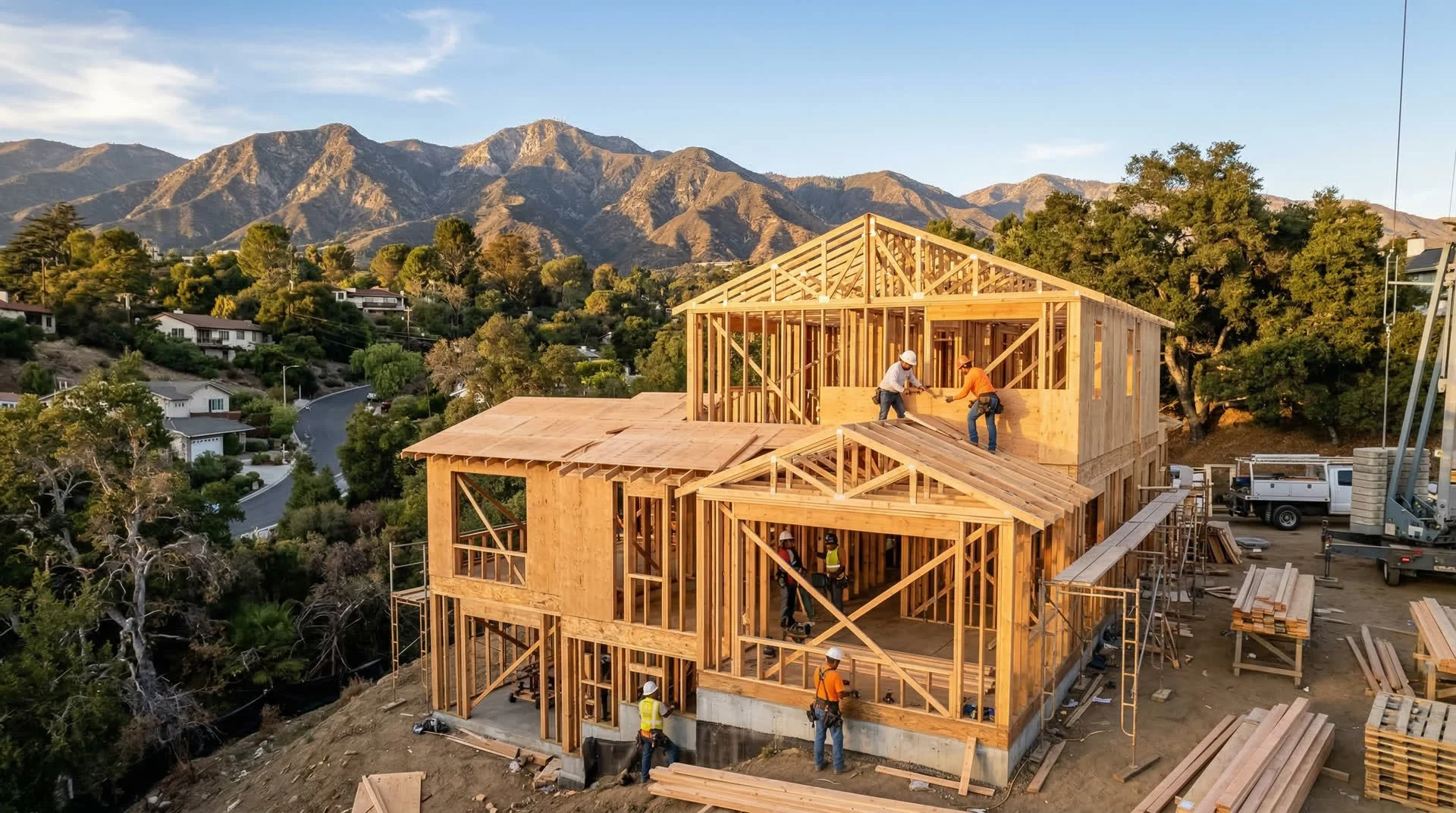
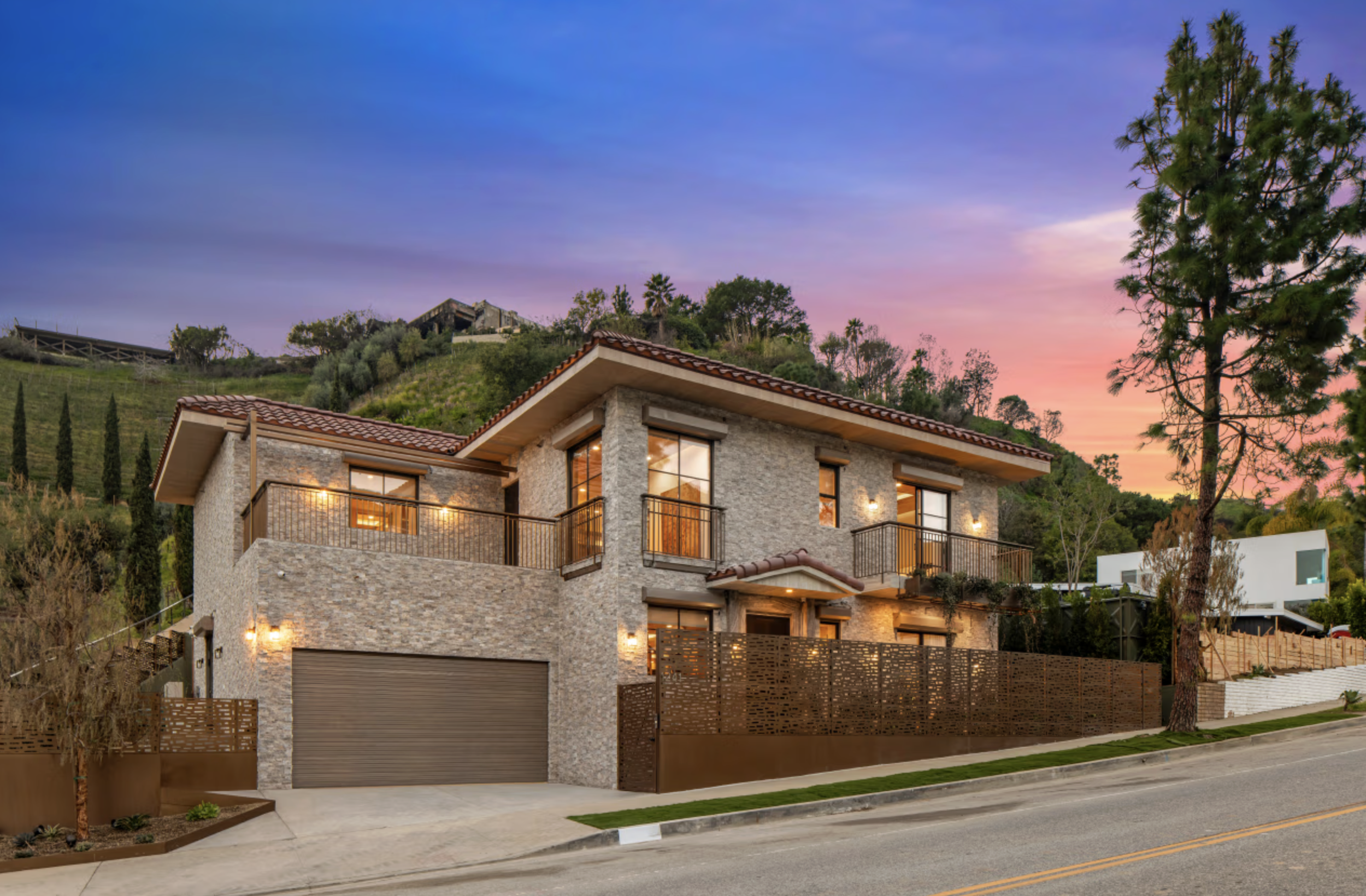
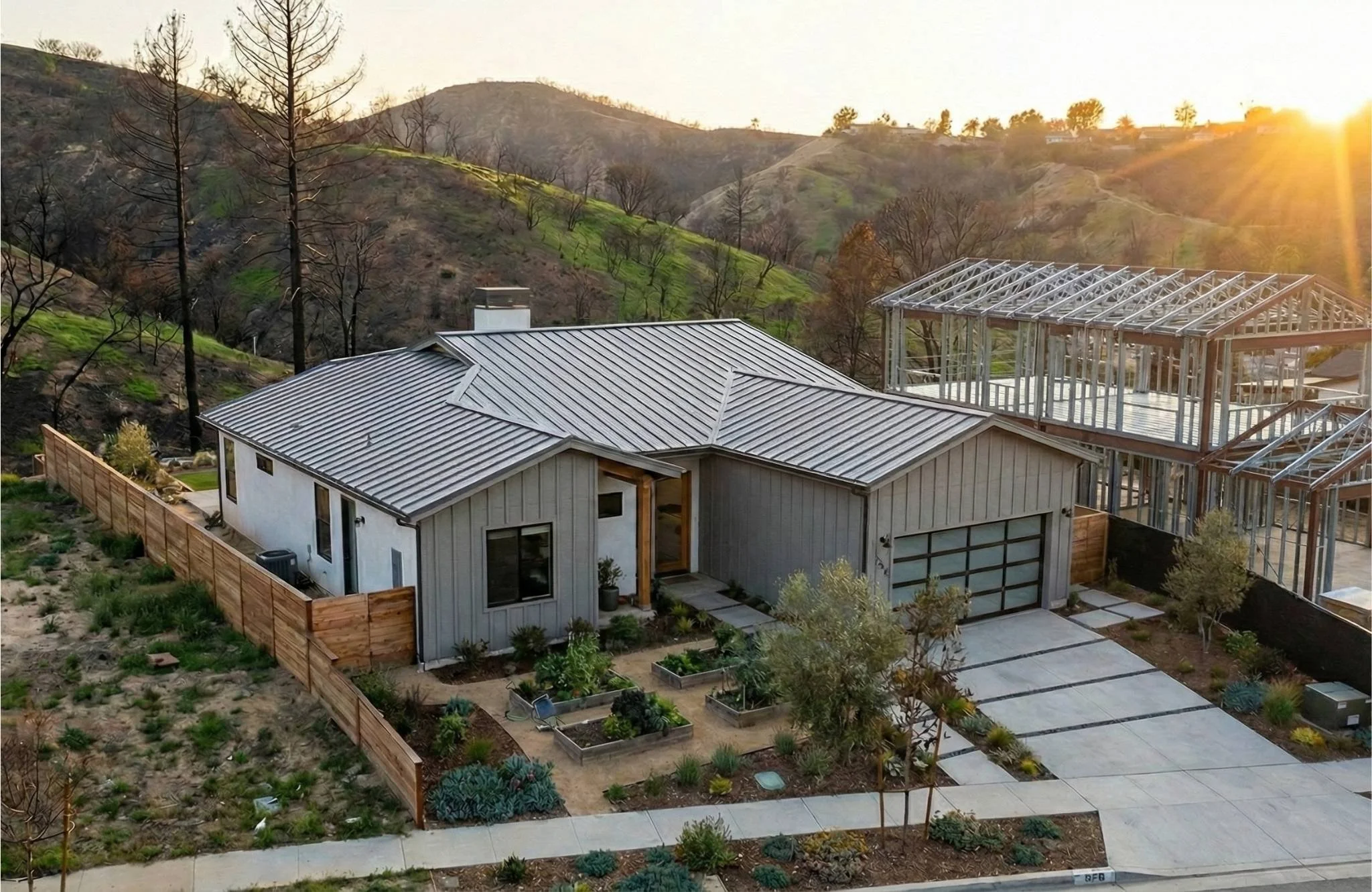
For the past several years, Accessory Dwelling Units (ADUs) have dominated conversations about residential construction in Southern California. Homeowners wanted rental income. Families needed multigenerational housing. Investors looked for ways to maximize property value.
But a different trend is now reshaping the region's construction industry.
Homeowners are no longer asking only, "How can I add value to my property?"
They're asking something more fundamental:
"How can I protect my home, and my investment, for the next 20 years?"
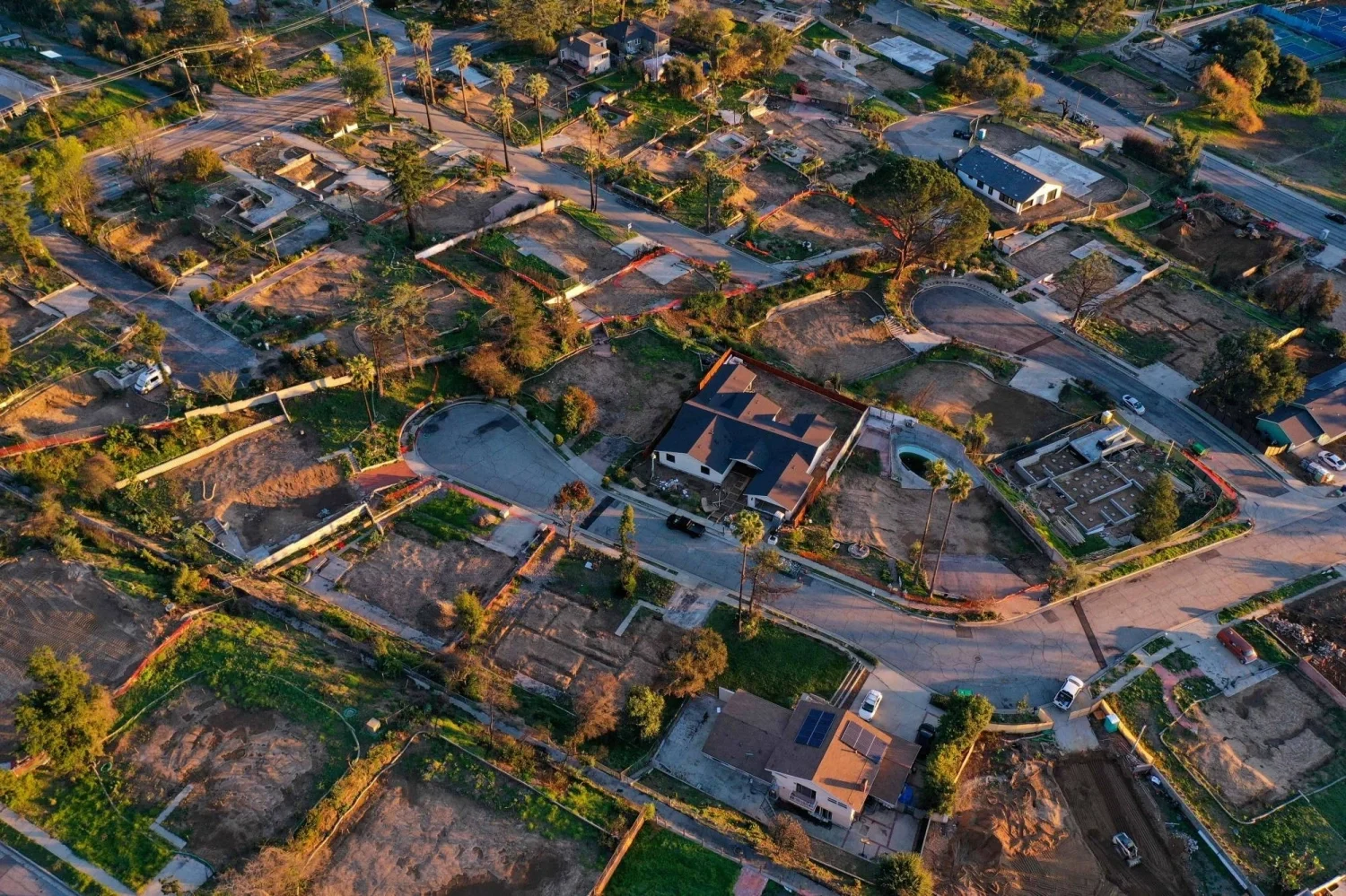
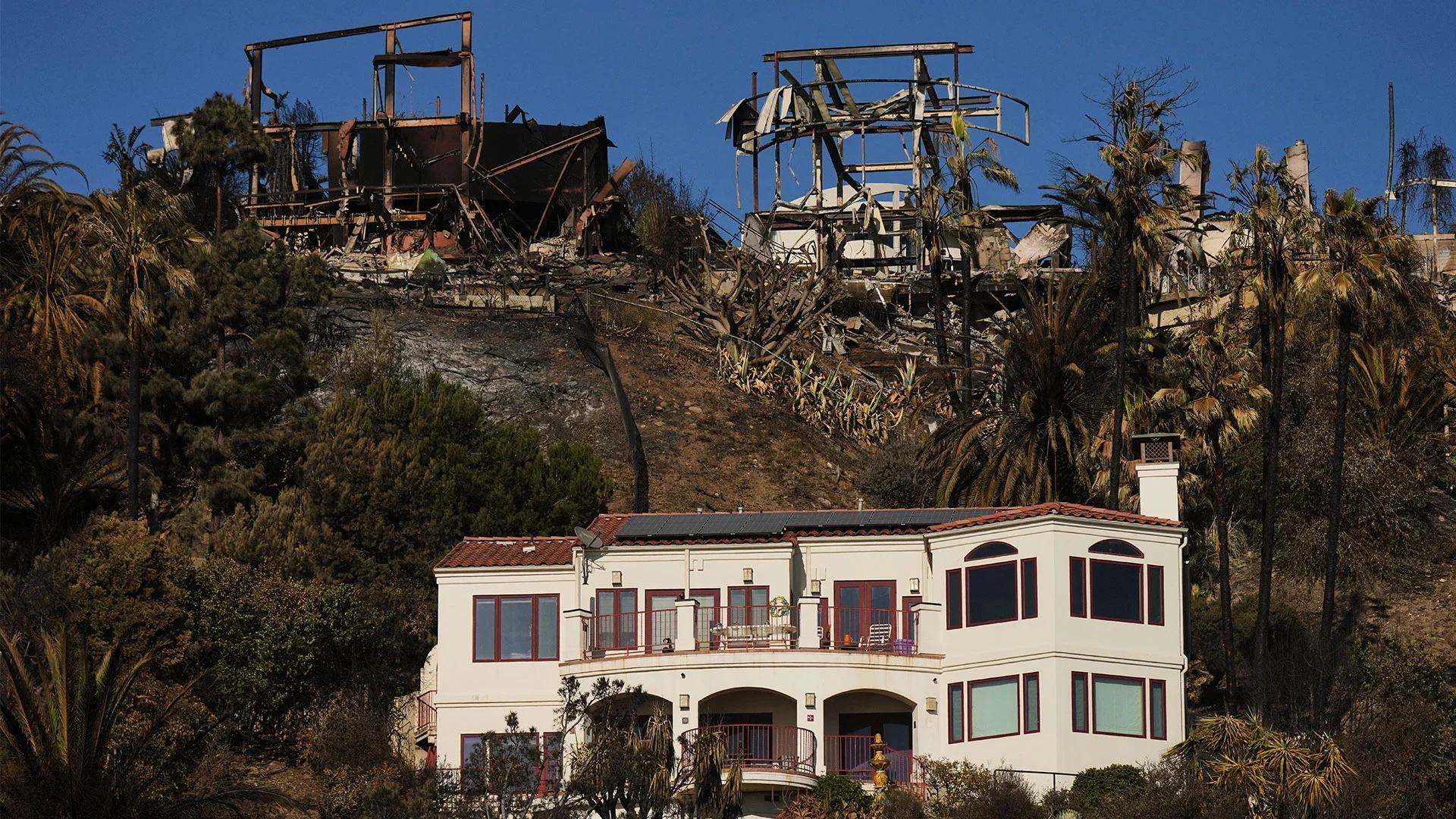
Following the devastating Los Angeles wildfires and the continuing rise in homeowners’ insurance costs across California, resilience has become one of the most important considerations in residential construction. What was once viewed as an optional upgrade is increasingly becoming a necessity for homeowners planning renovations, additions, ADUs, and custom home builds (California Department of Insurance, 2026).
Why Resilience Is Becoming the New Return on Investment
Traditionally, homeowners measured the success of a renovation by aesthetics and resale value.
A remodeled kitchen could increase market appeal.
A larger primary suite could improve comfort.
A backyard ADU could create rental income.
Today, many homeowners are beginning to evaluate projects through a different lens: risk reduction.
The cost of homeownership in California extends far beyond the mortgage. Insurance premiums, maintenance expenses, climate-related risks, and long-term durability have become major financial considerations. According to the California Department of Insurance (2026), homes rebuilt to modern wildfire-resilience standards could reduce projected wildfire losses by approximately one-third compared to conventional construction practices.
For many homeowners, that statistic changes the conversation entirely.
Rather than asking how little a project can cost, they are asking how well it will perform over time.
A New Generation of Homeowners Is Thinking Long-Term
Southern California homeowners face a housing market unlike any other in the country.
High mortgage rates, limited inventory, and elevated home prices have made moving less attractive for many families. Instead of relocating, homeowners are increasingly choosing to improve and future-proof their existing properties.
Recent renovation studies indicate that homeowners are prioritizing functionality, adaptability, and long-term livability over purely cosmetic upgrades (Houzz, 2026).
This shift is driving demand for:
Aging-in-place design
ADUs for multigenerational living
Energy-efficient upgrades
Backup power systems
Advanced air filtration
Fire-resistant construction materials
The result is a growing emphasis on homes that can adapt to future challenges rather than simply impress potential buyers today.

What Makes a Home Fire-Resilient?
A fire-resilient home is designed to reduce vulnerability to wildfire ignition from embers, radiant heat, and direct flame exposure.
Research consistently shows that many homes are not destroyed by large walls of fire but rather by wind-driven embers that ignite vulnerable portions of a structure (Insurance Information Institute, 2026).
Key resilience features often include:
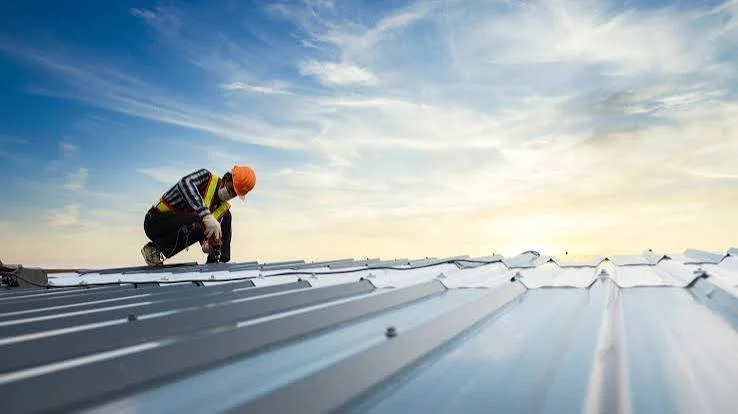
Class A Fire-Rated Roofing
Roofs represent one of the most vulnerable areas of a home during a wildfire event. Fire-resistant roofing materials can significantly reduce ignition risk.
Ember-Resistant Vents
Attics and crawl spaces are common points of entry for airborne embers. Modern vent systems are designed to limit ember intrusion while maintaining ventilation requirements.
Tempered Glass Windows
Tempered glass can better withstand extreme heat exposure than traditional residential window glazing, helping reduce the risk of window failure during wildfire conditions.
Noncombustible Exterior Materials
Fiber cement siding, stucco, masonry, and other fire-resistant materials can provide additional protection compared to more combustible alternatives.
Defensible Space
Perhaps the most overlooked element of wildfire resilience is the area immediately surrounding the home. California's "Zone 0" recommendations emphasize maintaining a non-combustible area within five feet of structures to reduce ignition risk (California Department of Insurance, 2026).
The Insurance Factor Is Changing Construction Decisions
For decades, homeowners rarely considered insurance when planning a remodeling project.
That has changed dramatically.
Across California, insurance providers are reassessing risk exposure in wildfire-prone regions. As a result, many homeowners have experienced substantial premium increases or reduced carrier availability (Insurance Information Institute, 2026).
This trend is creating new demand for resilience-focused construction.
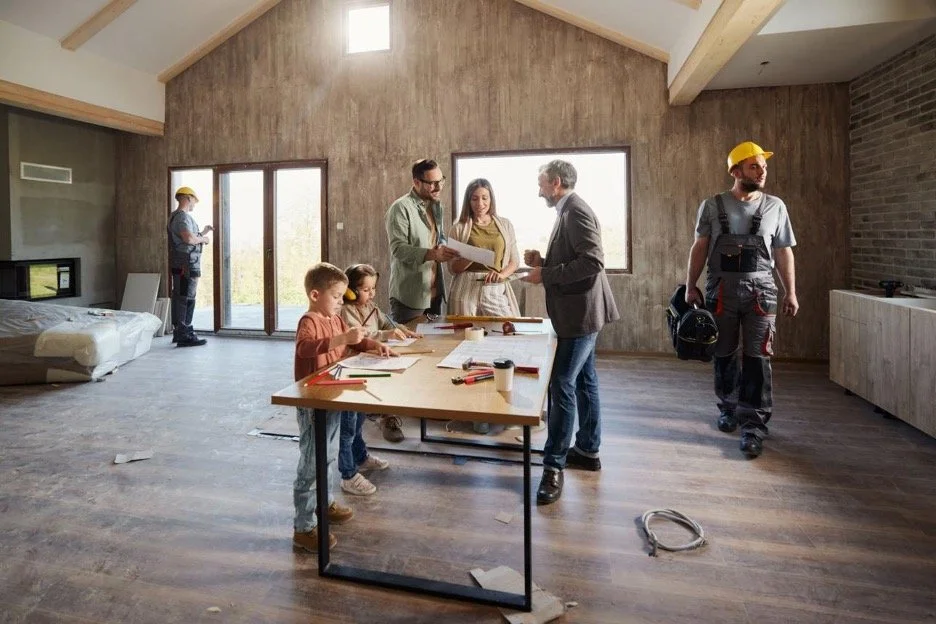
Builders are increasingly being asked questions such as:
Which roofing materials offer the best fire resistance?
Are ember-resistant vents worth the investment?
Should windows be upgraded during a remodel?
How can landscaping improve wildfire protection?
These questions reflect a broader shift in homeowner priorities. Construction decisions are no longer based solely on appearance or resale value, they are increasingly influenced by risk management.
Why This Matters Beyond Wildfire Zones
One of the biggest misconceptions surrounding wildfire resilience is that it only applies to homes adjacent to mountains, canyons, or open space.
Modern wildfire research suggests otherwise.
Embers can travel considerable distances ahead of an active fire front, potentially igniting structures throughout suburban neighborhoods (California Department of Insurance, 2026).
This means resilience strategies are becoming relevant across:
Los Angeles County
Orange County
Ventura County
Riverside County
San Bernardino County
For many homeowners, resilience is no longer a location-specific concern. It is becoming part of responsible homeownership.
What Builders Are Seeing Across Southern California
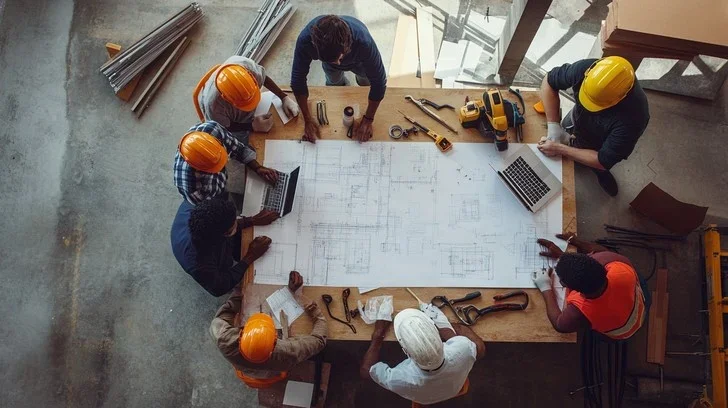
Construction professionals throughout Southern California report growing interest in projects that improve long-term durability rather than simply aesthetics.
Homeowners are increasingly investing in:
Fire-resistant roofing systems
Exterior envelope improvements
Smart leak-detection technology
Backup battery systems
High-performance windows
Sustainable building materials
Improved drainage and water management
These upgrades often provide benefits that extend beyond wildfire protection, including reduced maintenance costs, improved energy efficiency, and increased property durability.
The Future of Home Value May Look Different
For generations, the formula for increasing home value seemed straightforward:
More square footage.
Better finishes.
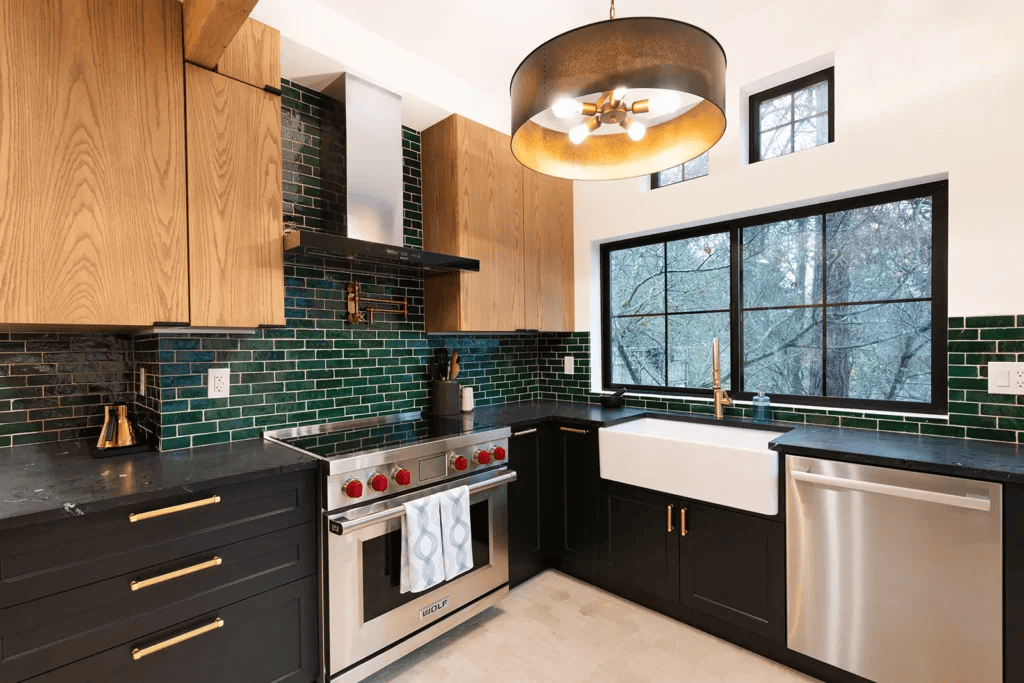
Updated kitchens and bathrooms.
While those factors remain important, a new variable is emerging. Performance.
As insurance costs rise and climate-related risks become more prominent, buyers may increasingly evaluate homes based on durability, resilience, and long-term operating costs.
A beautiful home will always attract attention.
A beautiful home that is designed to withstand future challenges may become even more valuable.
Final Thoughts
The biggest construction trend in Southern California isn't a design style, a floor plan, or even an ADU.
It's resilience.
Homeowners are increasingly recognizing that the smartest investment is not always the most visible one. Fire-resistant materials, durable building systems, and thoughtful construction practices may not generate the same excitement as a luxury kitchen remodel, but they can have a profound impact on a home's long-term performance, insurability, and value.
As Southern California continues to adapt to evolving environmental and economic realities, resilient construction is no longer a niche concept.
It's becoming the new standard.