How Much Does an ADU Cost in Los Angeles in 2026? A Realistic Homeowner Guide
If you're considering building an ADU (Accessory Dwelling Unit), you're probably asking the same question nearly every homeowner asks first:
"What will this actually cost me?"
You’ve probably seen numbers online ranging from $80,000 to $500,000+, which can feel all over the place. The reason is simple: ADUs are not one-size-fits-all projects. Site conditions, utility requirements, permits, design selections, and construction complexity all affect pricing.
Recent Los Angeles ADU cost data suggests most projects commonly fall within the $150,000–$450,000+ range, depending on the type of unit and level of customization.
Average ADU Cost by Type
Garage Conversion = $150,000 - $250,000
Attached ADU = $200,000 – $350,000
Detached ADU (400–600 sq ft) = $250,000 – $350,000
Detached ADU (800–1,200 sq ft) = $350,000 – $450,000+
These figures represent realistic project ranges seen across Southern California rather than low national averages.
Cost Per Square Foot: Why It Can Be Misleading
A lot of homeowners search:
"How much does an ADU cost per square foot?"
Los Angeles projects generally average around:
$250–$450+ per square foot
Larger ADUs often become less expensive per square foot
Smaller units may actually cost more per square foot
This happens because kitchens, bathrooms, permits, and utility work are still required whether a project is 500 or 1,200 square feet.
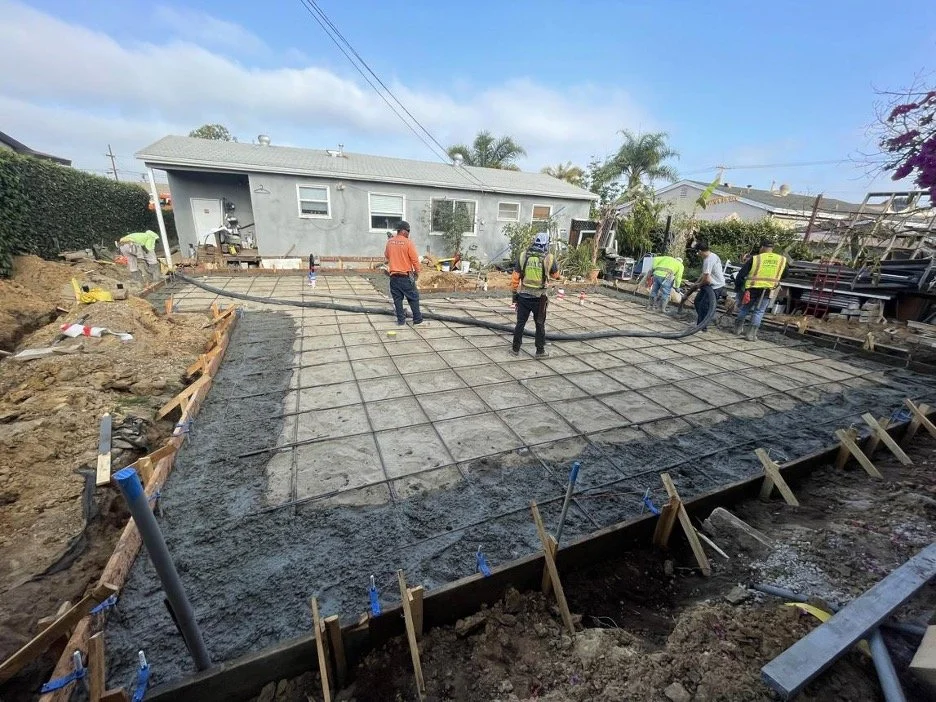
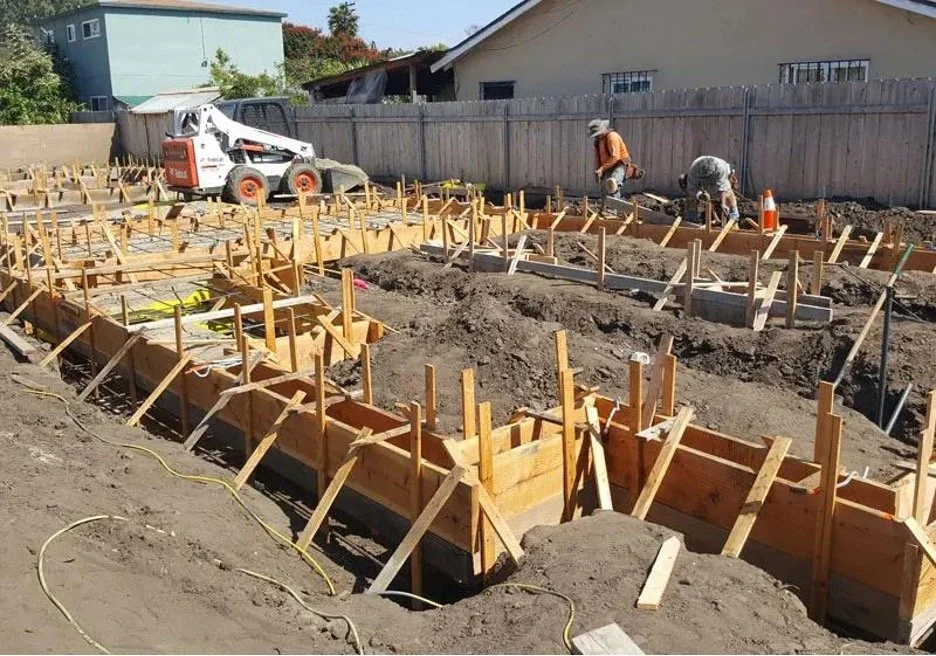
What Actually Drives ADU Costs?
1. Site Conditions
Not every backyard is equally easy to build on.
Things that can affect cost include:
Sloped lots
Difficult access
Soil conditions
Existing structures
Tree removal
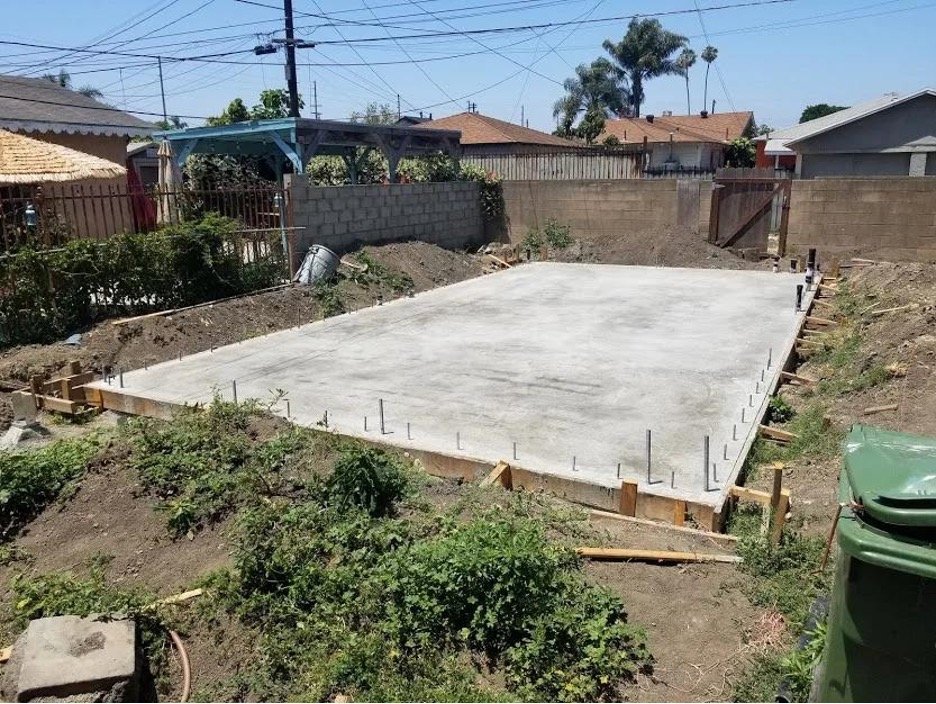
Grading requirements
Drainage modifications
For example, a flat backyard with open access may cost substantially less than a hillside property requiring additional engineering.
Site preparation is one of the most common areas where homeowners underestimate costs.
2. Utilities and Infrastructure
Existing homes were not always designed to support another residence.
Common utility-related upgrades include:
Electrical panel upgrades
Sewer connections
Water lines
Gas line work
HVAC modifications
Many older homes require upgrading from 100-amp systems to 200-amp systems to support two functioning living spaces.
3. Interior Finishes
Finishes create some of the largest price differences.
Standard selections
Stock cabinetry
Standard tile
Basic plumbing fixtures
Laminate flooring
Higher-end selections
Custom cabinetry
Quartz waterfall islands
Premium appliances
Architectural windows
Designer finishes
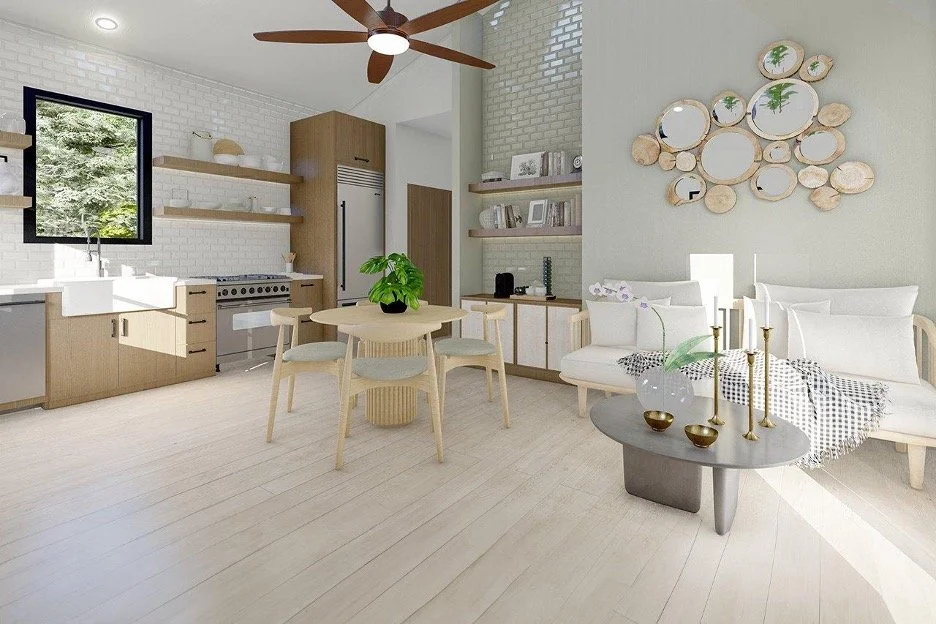
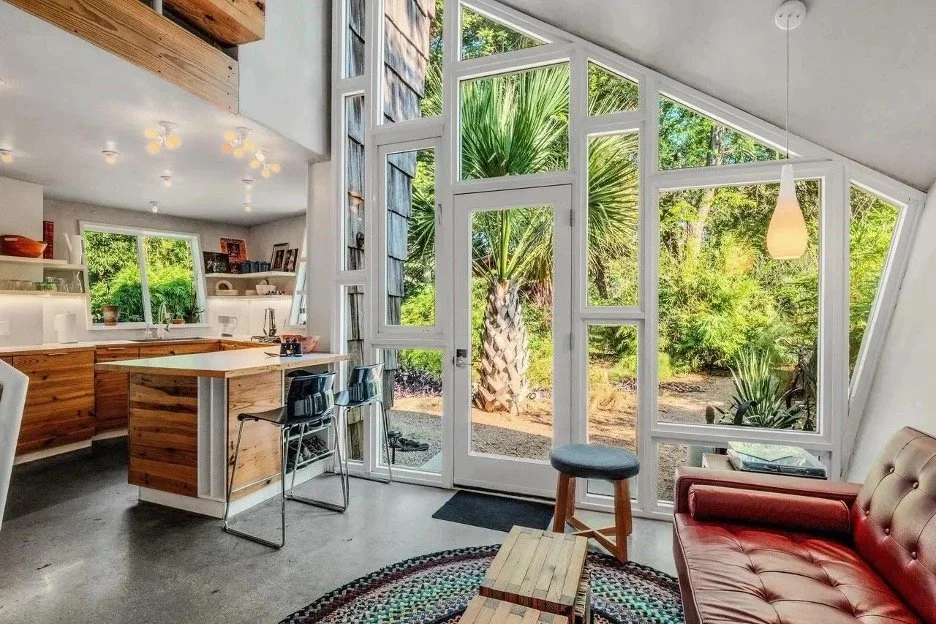
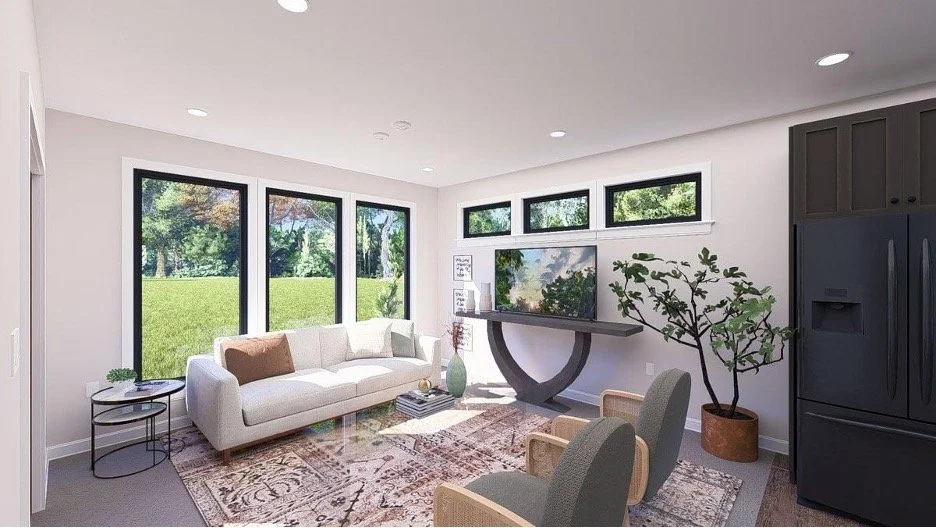
Two ADUs with identical floor plans can end up with dramatically different final budgets simply because of finish choices.
Hidden Costs Homeowners Often Miss
Many homeowners focus entirely on construction and forget additional project expenses.
Common overlooked costs include:
✓ Architectural plans
✓ Structural engineering
✓ Permit fees
✓ Surveying
✓ Utility fees
✓ Design revisions
✓ Contingency funds
Soft costs commonly account for 10–20% of total project budgets.
Why More Los Angeles Homeowners Are Building ADUs
ADUs have become increasingly popular throughout California because they create flexibility beyond simply adding square footage.
Homeowners often build ADUs for:
Rental income
Housing family members
Guest accommodations
Home office space
Long-term property value
California has continued expanding ADU-friendly regulations, making construction more accessible than in previous years.
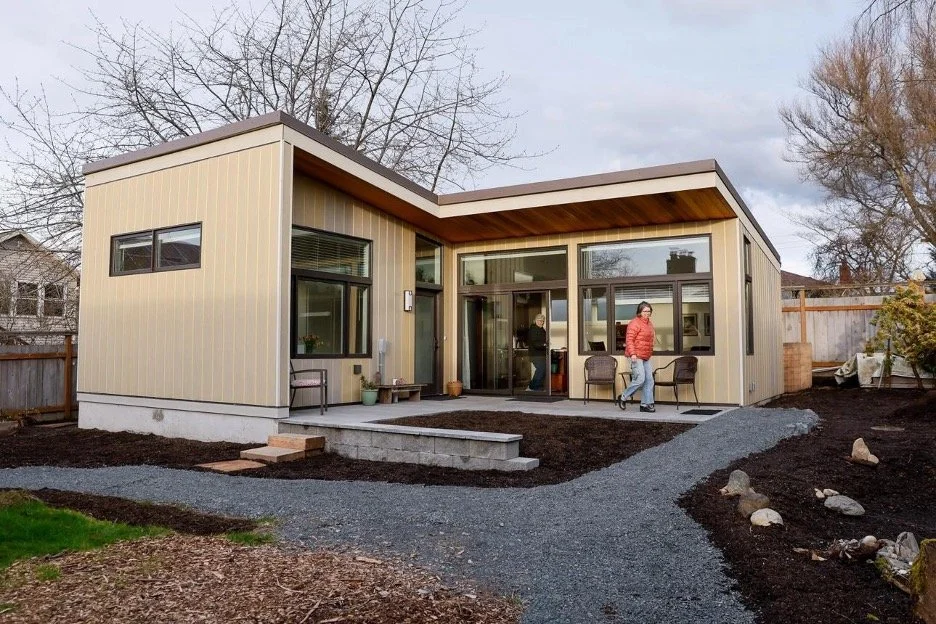
A recent example highlighted a homeowner who built a 748-square-foot ADU for approximately $260,000, demonstrating how project costs vary based on size, design, and location.
Final Thoughts
The most useful number isn't a broad online estimate.
It's understanding what factors actually drive cost on your property.
Every lot is different. Two neighboring homes can have completely different budgets based on access, utilities, grading requirements, and design choices.
Starting with realistic expectations and understanding the full scope early helps prevent expensive surprises later.
If you're exploring an ADU project in Los Angeles, planning around your property's specific conditions will almost always produce a more accurate budget than relying on generalized online estimates.